Crochet your own waste-free scrubber sponges

Now that we have learned the mindful skill of crochet we can make our own custom items. You can get creative and design your own clothes, toys, household items, art… imagine all of the possibilities.

Imagine a waste-free home…

Or at least a reduced waste home. A home without plastic in the cleaning cupboard! All of the microfibre cleaning cloths and sponges you have used to clean your home have been creating plastic waste and contributing to landfil. Thankfully there are so many amazing alternatives that are even more effective at cleaning. It’s so easy to make the switch to something better for you and the environment.

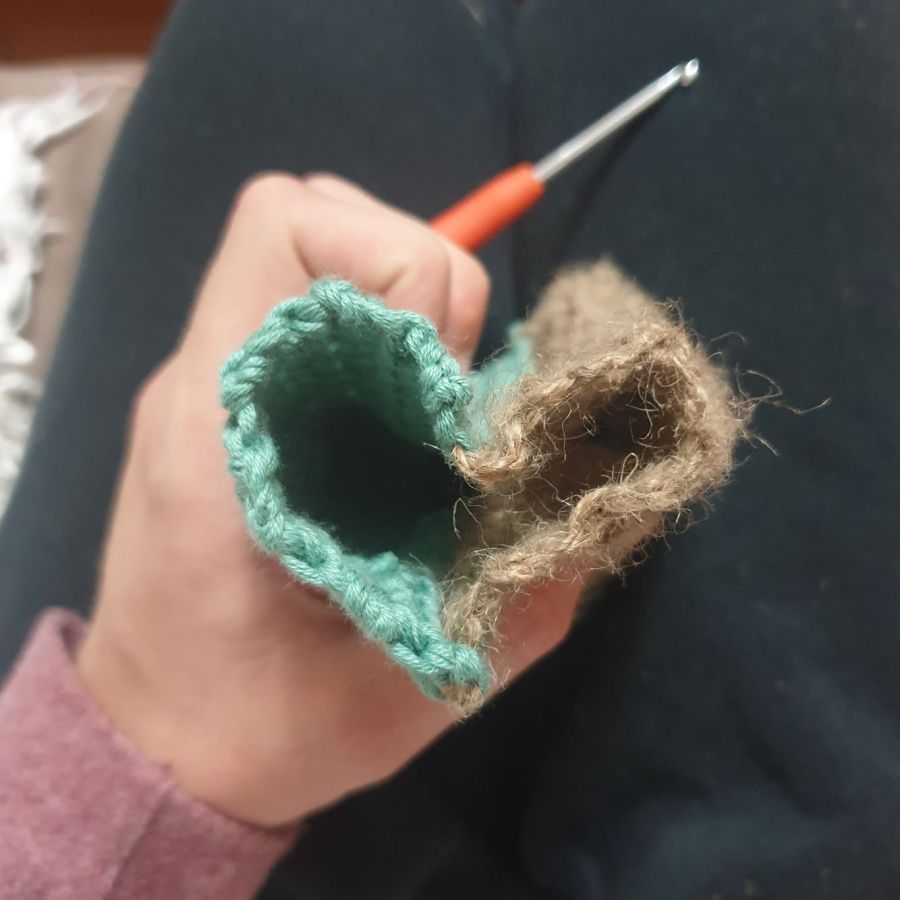
Just remember when you’re buying yarn for crochet and knitting, all of the synthetic fibres out there are creating microplastics that enter our environment and our bodies. I like to stick to cotton and hemp yarn when I’m making items for cleaning. I designed this scrubber sponge pattern so that one side is made from hemp yarn for extra scouring power and the other side is made of cotton for regular wiping and scrubbing.
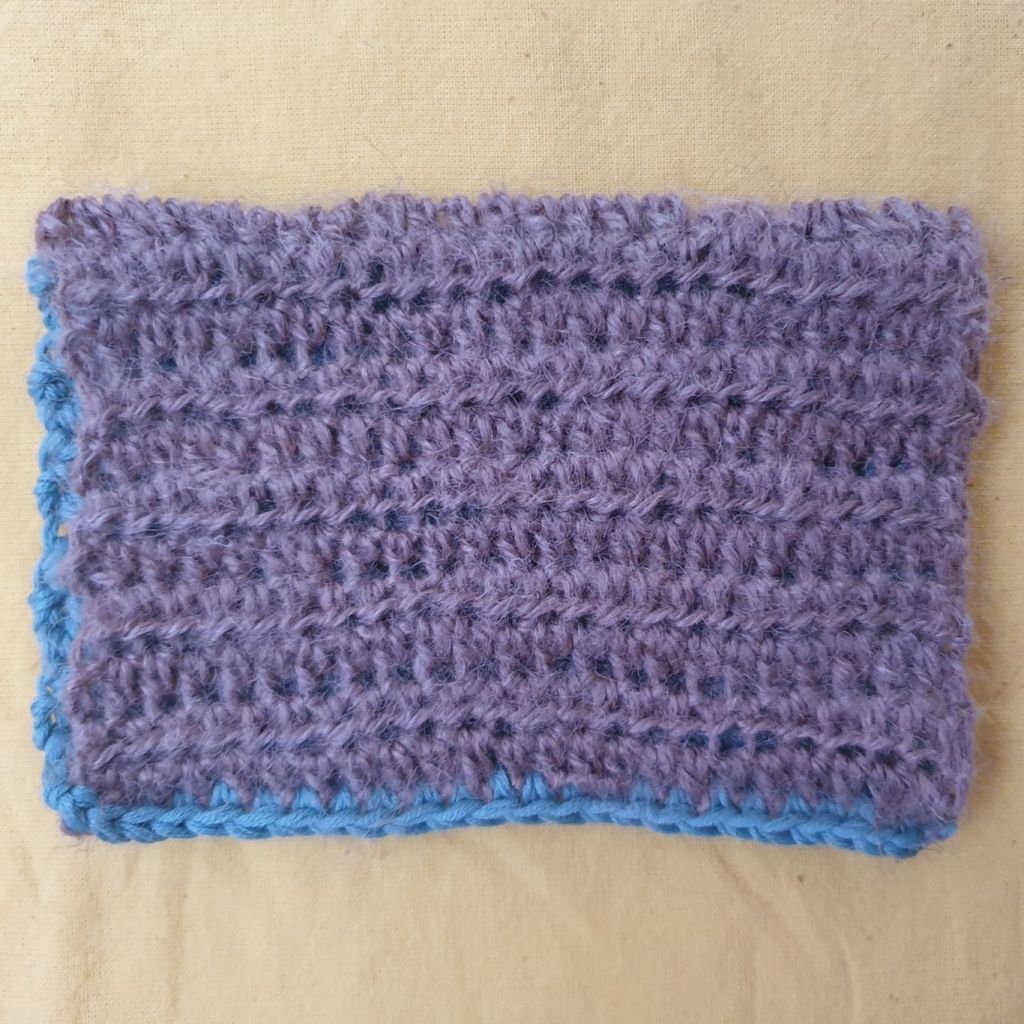
Hemp side
Cotton side

Detour: Here is my video explaining the trouble with microplastics https://youtu.be/Uspk3LOrfjY

I’ve called this deisgn a multipurpose scrubber sponge because it’s useful for cleaning in any room of the house, not just the kitchen. Keep one of these in your bathroom and laundry too. You’ll be reaching for it to clean every surface in your home.

This is my first time writing a pattern for other people to use so please let me know if there are any mistakes!

The Pattern: Hemp and Cotton Scrubber Sponge

  • Patern notes:
  • This pattern is written in US Crochet terms.
  • Begin with a foundation chain and make the sponge as long as you like. You can keep adding rows to make the sponge wider. I found this size works best for my small lady hands but you might prefer an oversized style sponge.
  • Abbreviations:
  • Ch: Chain
  • Sc: Single crochet
  • Hdc: Half double crochet
  • Pattern:
  • With hemp yarn Ch 25
  • Row 1: Hdc in the 3rd chain from the hook. Hdc all the way along.
  • Rows 2 – 12: Ch 2 for the turning chain. Hdc to the end of the row.
  • Attach cotton yarn and cut off the hemp yarn.
  • Row 12: Sc along the long edge of the hemp rectangle.
  • Rows 13 – 24: Hdc to the end of the row. Don’t bind off yet!
  • Finishing: Still with your cotton sitting at the end of Row 24, fold the 2 halves of the sponge together and Sc along the other long edge to join the 2 halves. You will be crocheting into both of the stitches on each edge so they are now “sewn” together.
  • I leave the short sides open so that the air flows through the sponge for easy drying.
  • You can sew or crochet up the short sides if you desire.

Let me know in the comments if you try out this pattern. Tell us what you think!

You can purchase one of these scrubbers at my Storenvy store and check out my other crochet creations for sale.

Prevent creating enormous amounts of waste and save money by making these simple switches

Do you change your kitchen sponge every 3 weeks like you should? Oops… Maybe we’re a bit lax on that hygiene suggestion. But disposable items around the house do add up to a lot of landfill. Just think of all those used toothbrushes and disposable razors. *shudders*

Hang on a moment, I’ve just thought about all of the money spent on disposable razors and sponges. Oh my…

Sponges and paper towels

Even if you don’t change your sponge as often as you do each sponge you do discard is creating more waste in our environment. Along with sponges, paper towels cannot be recycled or reused so they end up as landfill too. In the long term you spend a lot of cash on these frequently used products in your kitchen and cleaning cupboard.

Switches to reduce waste:

  • Use cleaning cloths that you throw in the wash with your towels and bath mats. These can be old rags or cotton cloths. Avoiding plastic items, even multiple use items, will reduce the impact of microplastics entering our environment.
  • Dish scrubbers made from natural fibres such as hemp or nettle yarn can be washed many times. They last even longer if you dry them out in the sunshine!
I made hemp scrubbers for my family’s Christmas gifts. They’re for exfoliating in the shower but they also make really excellent cleaning scrubbers around the bathroom and kitchen. They dry faster than crochet cotton dishcloths. Contact me if you’d like to design a multipurpose hemp scrubber. I have hemp yarn in stock!

Tissues

Paper tissue fibres, as with paper towels, are too short to go into the recycling bin. Tissues will always be a contribution to landfill unless you consider other options. The cost of buying tissues also adds up over time.

Switches for tissues:

  • Convert old clothes and rags into handkerchiefs. Hankies are useful to keep in your pocket or handbag for mopping up any little spills or dirty fingers. Just throw them in the washing machine with your regular laundry.
  • Thrift stores sometimes have packs of hankies for a very good price. Think of how much use you get from a 50 cent handkerchief compared with a 50 cent box of tissues. Boom. All those extra coins you would have spent on tissue boxes, put them in a savings account. You’re winning already.

Toothbrushes and shower loofahs

Toothbrushes should always be replaced at the beginning of the new season, ie. Every 3 months. Changing my toothbrush when the season changes is the easiest memory trigger for me. You need to change your toothbrush to ensure it’s always effective. It’s kind of like an expiry date. Plastic shower loofahs and pouffes should be changed every 3 weeks like your kitchen sponge to avoid build up of mildew. Washable shower scrubbers are waiting out there for you to make the switch today. There are more waste reducing tips in the list below.

Now cast your mind to all of the plastic toothbrushes that have been made since they were first sold in the 1930s.

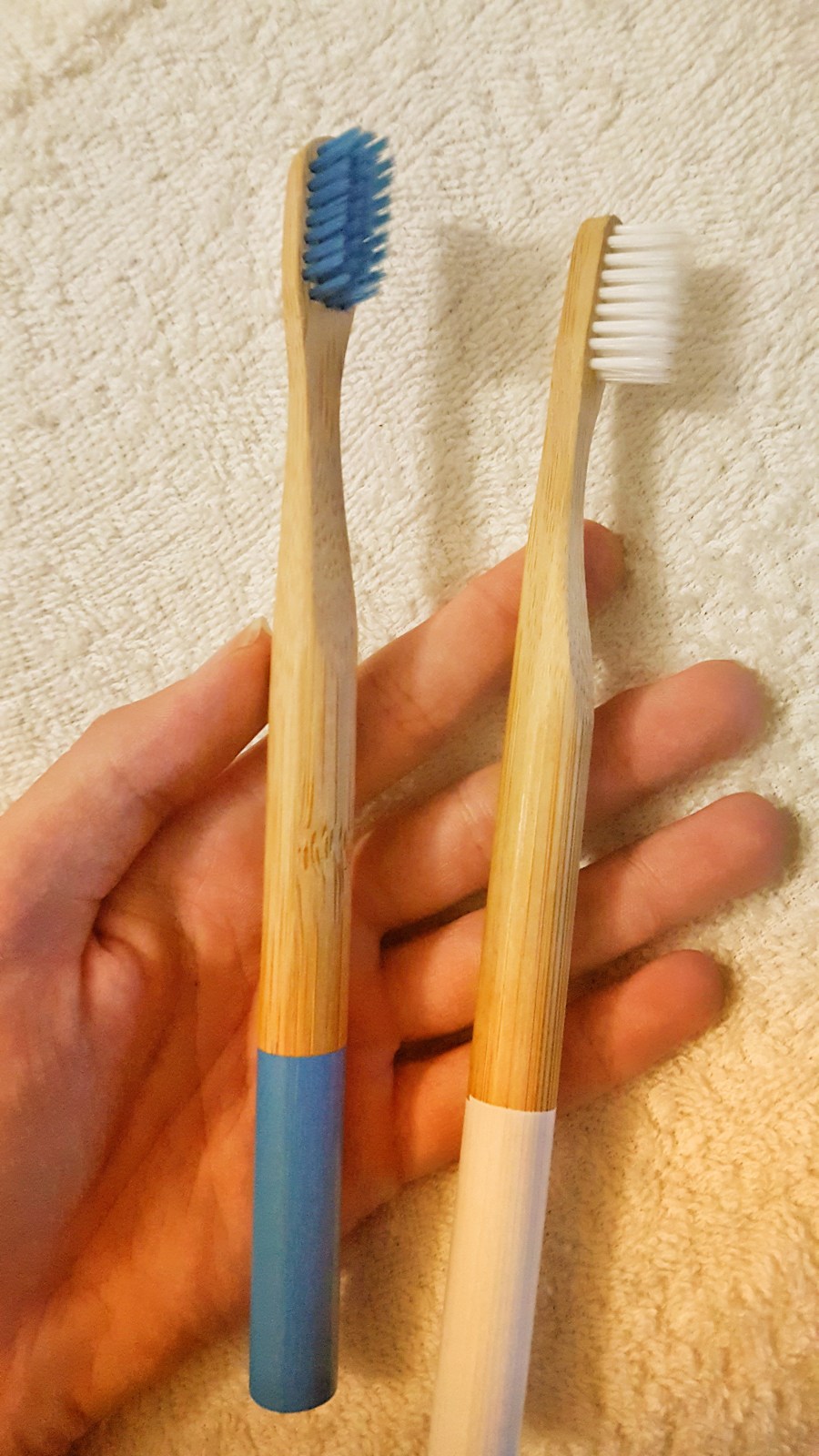
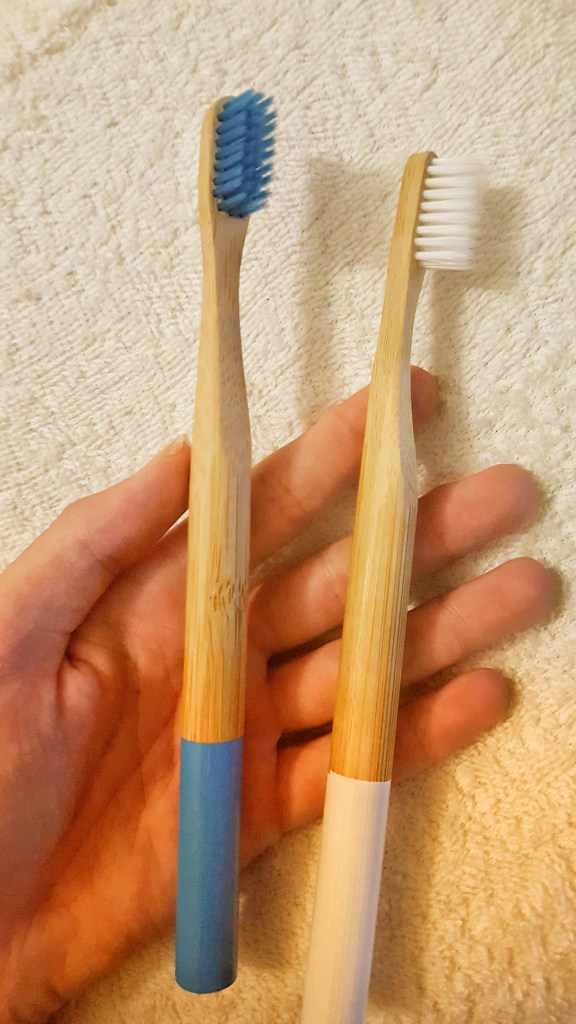
Bamboo toothbrushes from Sandcloud but it looks like they are discontinued from the website.

How to reduce your impact on the environment:

  • Bamboo toothbrushes can be composted but their bristles cannot. Remove the bristles and add the bamboo to your compost. Items that can decompose naturally don’t actually properly decompose in landfill due to the lack of oxygen.
  • Grow your own loofahs from gourds.
  • Buy or crochet your own cotton body washers using help yarn for exfoliating or special scrubbie yarn like my exfoliating shower mitts.
Handmade body pouffe made from 100% cotton yarn. Contact me for orders. 4 colours available.

Food waste

As mentioned in the above dot point the food you throw into the bin doesn’t actually break down properly. The low oxygen environment in landfill is the perfect habitat for anaerobic bacteria. These are the little creatures who produce methane.

Reducing food waste:

  • Compost: create a section of your yard with a compost heap. Add some worms! You can feed the rest of your garden with the nutrients produced from the composting process.
  • Bokashi bucket: no yard? No problem. When I was living in an apartment I kept my small Urban Composter City bokashi bucket on the balcony. It has a handy tap to distribute the composted nutrients.
  • Create an “Eat first” section of the fridge so that you’re eating up leftovers and soft fruit before they are ready to be thrown out.
  • Write a shopping list and remember to actually take it to the shops. The list helps you remember that you still have a bag of cucumbers in the fridge and you don’t need to buy any more.

Makeup wipes and cotton rounds

Removing makeup every night and applying toner every morning adds up to a lot of single use cotton rounds if you’re into that kind of thing.

Switch single use cotton rounds for:

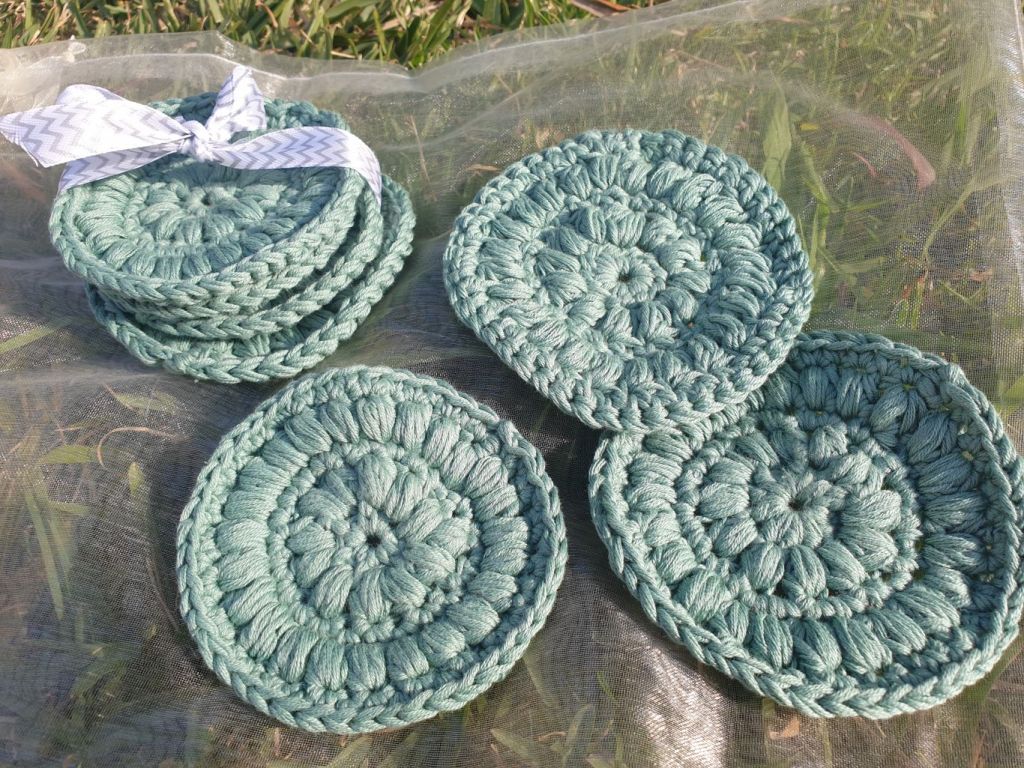
My handmade cotton rounds. Available for sale in packs of 3.

Disposable razors

Cheap plastic disposable razors are so convenient but they never last very long. So you’re buying more and more, spending more and throwing them all away sooner than you expected.

Cost effective switches for shaving with disposable razors:

Fast fashion

You might be surprised to know that the textile industry creates more carbon emissions than the airline industry. It certainly surprised me! When you stop and think about every purchase you make you can not only save yourself from unnecessary spending but it also reduces your impact on the Earth. 🌍 Our home.

Tips to reduce fast fashion in your life:

  • Switch to the slow fashion life.
    • Purchase quality garments that are made to last more than a couple of seasons. In the long run you save money especially when you repair buttons and small holes to extend the life of your garment.
  • Rent clothing for special occasions.

As always, thanks so much for reading. Click the YouTube icon below to go to my channel and see a list of my latest videos. Like and subscribe to share some happiness.

Synthetic clothes: the hidden polluter

I am absolutely heartbroken. If you’ve ever had a glance at my Instagram (@queeenvk with 3 e’s, don’t ask) you’ll know I am a fan and collector of Black Milk Clothing. Unfortunately almost every item they have is made from synthetic fibres. Synthetic fibres are polymers created by a chemical process and these polymers form plastics that are impossible to break down in a safe and toxic-free way.

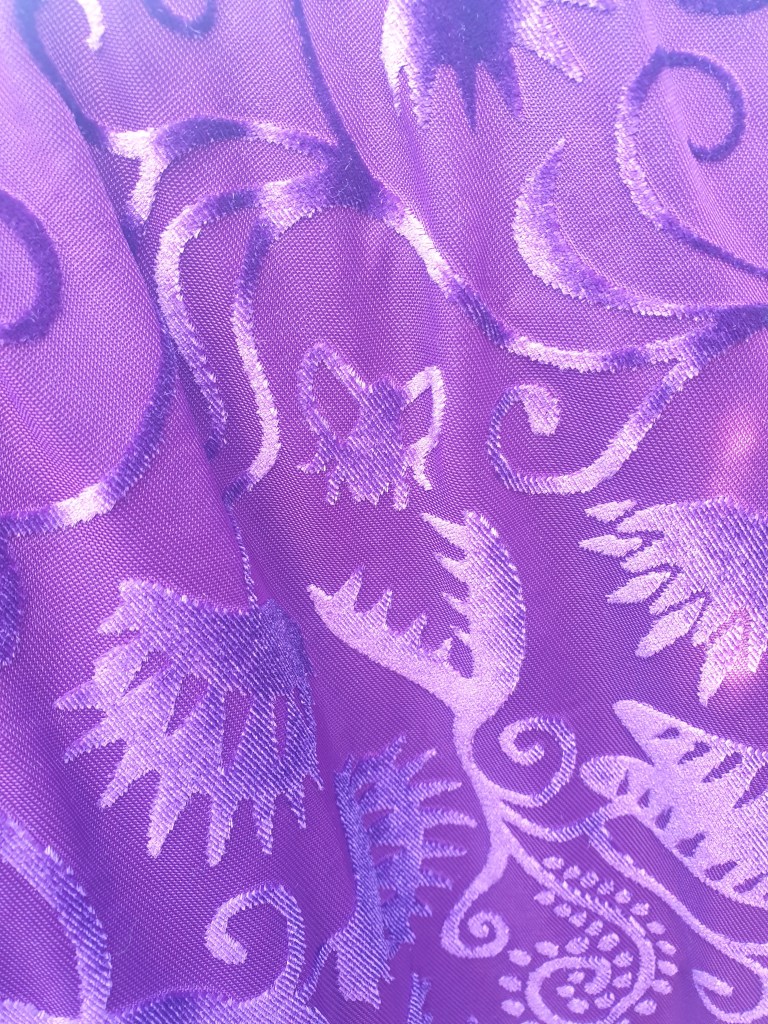
Every year Black Milk releases a Halloween collection and unfortunately I couldn’t stop myself from purchasing a dress made of synthetic fibres because I was so excited about the pattern. The fabric is called burned velvet and I adore the feel of soft fluffy fabrics. Anyway, it breaks my heart that all of that synthetic velvet will create a lot of plastic microfibres purely through dust and shedding alone. Washing it in a washing machine would flush tens of thousands of microplastics down the drain. I decided to carefully hand wash the dress in the laundry sink with my soapberries and let it soak for only 45 minutes. When I came back I saw islands of floating microplastics across the top of the water. Unfortunately I didn’t have my phone with me so I didn’t take a photo. Here’s a picture of the soapberries for your interest.

Soapberries

I tried to filter off the plastic fluff and discard as much as I could but it was futile. Any fluff and dust produced by these clothes pollutes our environment. Last year I found out that 80% of the rubbish that we don’t put into the bin ends up in our waterways. All of that dust can end up in the ocean no matter what we try to do with it.

The Venus flytrap print on my new velvet dress from Black Milk Clothing

For now we will have to boycott purchasing any plastic clothing and fibres. But then what about socks?! Socks without some elastic fibre blend will fail to hold their shape. Wool socks aren’t an option because using animal products is so unethical. I’ve been boycotting purchasing animal products since I watched Dominion on YouTube. It’s a fascinating documentary, give it a watch! Although after watching it I’ve realised how difficult it is to live ethically in our current society. I just want to have stretchy fabric and wool, but it’s not that simple after all.

Sorry to be such a downer in this post! I just had to share this emotion with you all. Please share in the comments your feelings of how the textile industry is contributing to the pollution problem. Or any thoughts you’d like to put out there. Thanks so much for reading.

Garbage patch kids

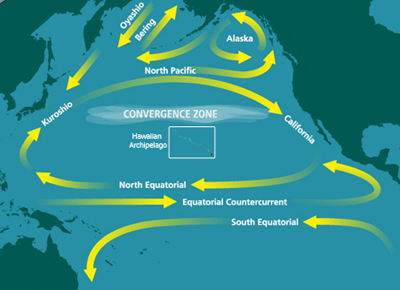
Thanks to our beautiful ocean currents (and humans with their non-biodegradable plastic) there is a large patch of rubbish accumulating in the Pacific Ocean. The Great Pacific Garbage Patch.

How embarrassing that humans are living in squalor! If aliens were to land and see what we’ve done to our natural environment… I can just hear them saying, “My, my. Didn’t anyone tell you not to s*** where you eat?”.

Marine Debris Poster (4) AI9
By NOAA – http://marinedebris.noaa.gov/info/patch.html, Public Domain, https://commons.wikimedia.org/w/index.php?curid=6808542

The Great Pacific Garbage patch was first described in 1988 and it is the largest accumulation of ocean plastic on Earth. It has now grown to be THREE TIMES the size of France, ie. 1.6 million square kilometres. It has gradually grown and continues to grow as the currents and winds push the debris towards this part of the ocean.

Without intervention marine life will continue to suffer and perish.

All of the plastic consumed on Earth has the potential to be swept into the ocean via various routes. Instead of degrading like your usual run-of-the-mill biodegradable product, plastic breaks down into smaller pieces of plastic. Which turns out to be EVEN WORSE. The plastic situation doesn’t get better over time and action must be taken to improve this predicament.

The plastic pollution floating through the ocean habitats also spreads disease and is damaging some very delicate ecosystems. For more information on how plastic is transmitting disease through our oceans see my post here.

Without intervention marine life will continue to suffer and perish as their stomachs fill with plastic. Habitat destruction can be devastating as there are far reaching effects leading to loss of entire species as well as resources.

The key message to learn from this mistake of ours is to reduce our personal plastic consumption to decrease our impact on these delicate habitats.

We’re all in this together.

Featured image credit: By vaidehi shah from Singapore – Litter on Singapore’s ECP, CC BY 2.0, https://commons.wikimedia.org/w/index.php?curid=56641266

Plastic pollution myths busted!

There are some myths currently floating around that could be harmful to the environment so I’m here to help with some mythbusting facts.

Myth #1

If I recycle my plastic waste I’m not harming the environment.

Fact: Many types of plastic cannot be recycled. Additionally, if non-recyclable items contaminate a bunch of recyclable products all of the recyclable items will be sent to a landfill.

This is why I can’t stress enough that COFFEE CUPS SHOULD NEVER BE PLACED IN A RECYCLING BIN.

Coffee cups are in no way recyclable. If these non-recyclable products contaminate the products being sent recycling, all of that recycling goes straight to the tip.

What you can do: Reduce use of all plastics. Bring your own coffee cup on your coffee run. Use canvas tote bags for all of your shopping and produce. Stop buying plastic toothbrushes (go for bamboo). Take advantage of this code for 15% off all purchases at Sand Cloud: VICK_Y15. Sandcloud.com has a selection of glass water bottles, metal straws and environmentally friendly organic sunscreen (packaged in a tin instead of plastic). You can feel really good about saving the planet with your next session of retail therapy.

Myth #2

Plastic pollution in the ocean isn’t harming humans.

Fact: Leaching of chemicals from plastics into our waterways not only affects our water but our food too. Large pieces of plastic break down into smaller pieces called microplastics. These microplastics are mistaken as food by sea creatures and are frequently ingested. The smaller fish that consume these plastics are consumed by larger fish until it gets to the top of the food chain, you and me! Do you really want to be eating food that is potentially contaminated with harmful chemicals?

Myth #3

Ocean plastic pollution mainly originates from dumping rubbish in the ocean

Fact: Plastics from all over the land can end up in the ocean, no matter where it was dumped. Most of the plastics that are now in the ocean originated from every day items that you and I use frequently – bags, bottles, caps, food containers. If we begin limiting the use of plastic in our lives we can make an impact on the reduction of plastic in the ocean.

Share your plastic reduction tips in the comments. My latest effort in waste reduction involves the use of beeswax food wraps and reusable ziplock bags to store my lunches for work! What’s yours?

Plastic pollution spreads disease

Coral reefs are one of the ecosystems most susceptible to climate change, but their complex structure is also vulnerable to many other threats, most of these are sadly caused by humans.

It’s apparent that our plastic usage is affecting the life of coral reefs. Recent scientific research estimates 11 billion pieces of plastic contaminate our vital reefs! Plastic waste that is caught on coral reefs has shown to contribute to increased rates of disease within the coral, as stated by the study.

Plastic pollution

Plastic items such as bottle caps and toothbrushes which are commonly made of polypropylene, have been shown to become heavily inhabited by bacteria. For the research, the research group studied 159 coral reefs at the Asia-Pacific region where most global reefs are located. They inspected roughly 125,000 corals checking for tissue loss and lesions. The greater the amount of plastic that was entangled in the region’s reefs, the more disease they discovered.

circle plastic photo.jpg circle plstic bottle photo.jpg

Microorganisms often come with plastic, and the plastic adds stress to the corals as they cover daylight and reduce oxygen supply making conditions that enable certain pathogens (microorganisms that cause disease) to flourish. Such plastic waste can even cut open corals’ sensitive skin, exposing them to further infection.

gr8 star cora.jpg

A great star coral infected with black band disease
percentcontstricted.jpg

The solution

In recent studies, research on cross-species coral hybrids, inoculations with protective bacteria and even genetic engineering has been established. Researchers produce coral embryos by in vitro fertilisation (IVF), coral tissues of the infected ones are compared and its DNA can be preserved in a cold storage equipment. An increased focus on coral microbiology and application of laboratory culture techniques could serve as the string of hope and provide a lifeline for the ‘Rainforests of the Oceans’.

It’s time for a sea change

Everyone can help tackle the problem by reducing plastic usage. Science proves that small behavioural changes and collective efforts can lead to wide-scale transformations.

Plant a tree without planting a tree

You can now plant a tree and help the planet without even getting your hands dirty.

I have often thought about planting a tree but I have no idea how or where to do it with permission. My small apartment balcony is hardly the place for a tree!

There are currently a bunch of companies that plant at least one tree per purchase of their products or services. Here are some of them:

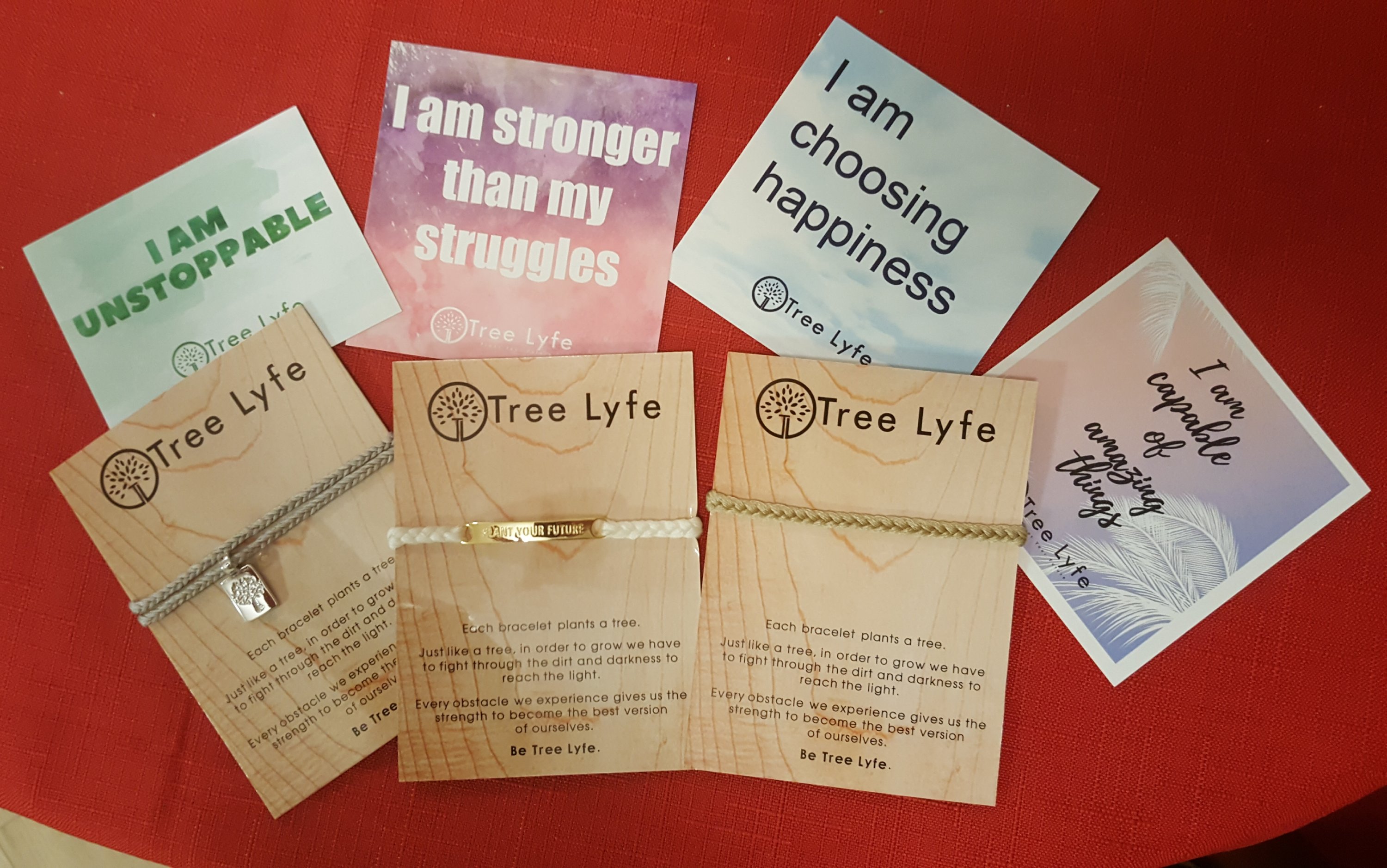
Tree Lyfe

“Live every day with intention.
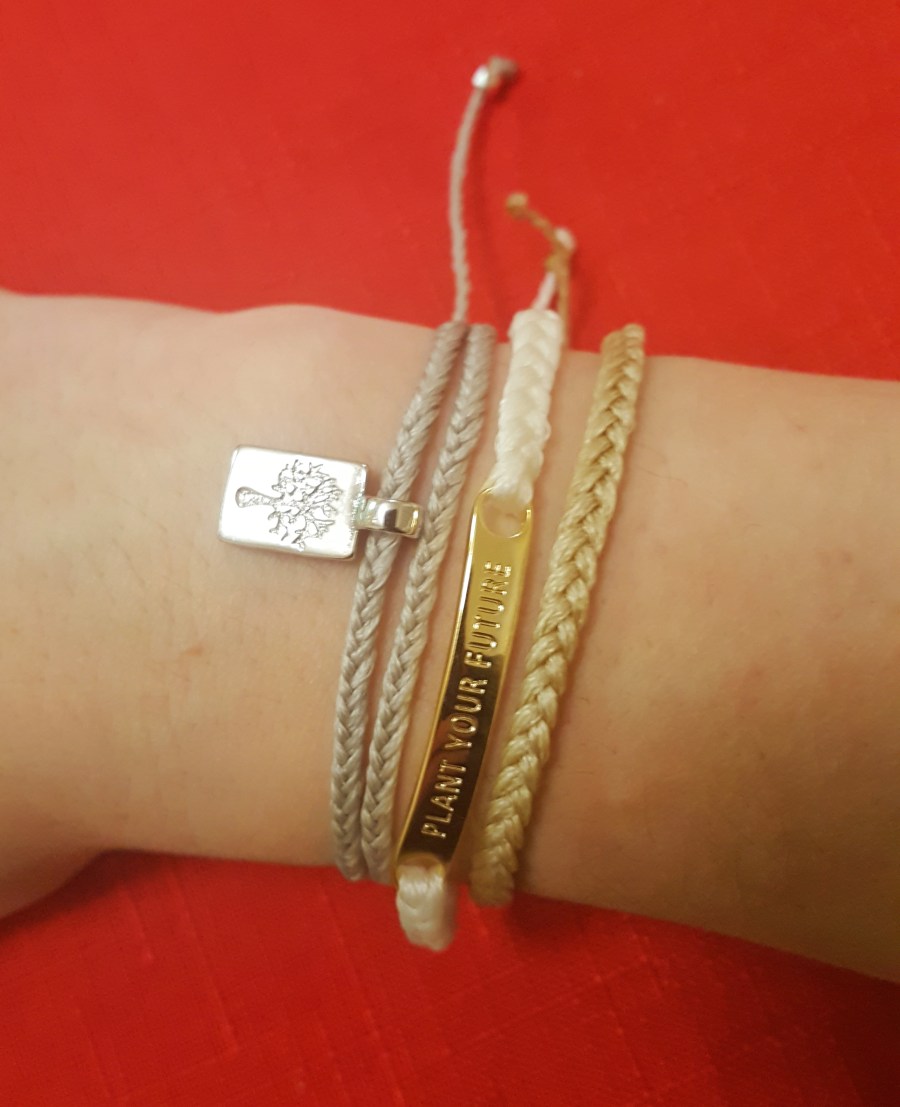
Wear our bracelets as a reminder that you have the ability to create your own reality. #plantyourfuture
Each bracelet plants a tree and is a daily reminder that you too can reach incredible heights.”

So far Tree Lyfe has planted around 12,000 trees. They are planted in Haiti, Madagascar, Ethiopia, Nepal, and Indonesia. Local workers from these poverty-stricken countries are hired and trained to plant the trees, providing jobs which help lift the families from poverty. The local families then benefit as the workers can provide food, education, and health care for their families.

In addition to the benefit to the environment Tree Lyfe also has a focus on mental health.
I’m all for breaking taboos around mental health and keeping the conversation open around mental health in order to reduce stigmatisation. It’s a cause close to my heart.
Each bracelet stands for more than one planted tree. It serves as a reminder of our own personal growth that can grow along with the tree that was planted with the purchase of the bracelet.
Scroll down for my Tree Lyfe review.

Ten Tree

At tentree, our goal is to become the most environmentally progressive brand on the planet. We don’t want to just reduce the negative impact of the apparel industry, we want to use it as a vehicle for change. Our purpose is to revitalize our environment and inspire a generation to believe that they can do the same.

Baron Fig

Buy a Book, Plant a Tree endeavour is our way of giving back in appreciation. It’s our way of showing thanks to you, our customers, as well as to the environment. So far your purchases have helped plant tens of thousands of trees since we launched, with more being added to that number daily. For every Confidant you buy, we’ll plant a tree.

WeWOOD

High-quality and eco-friendly timepieces that give back to the environment. For each watch sold WeWood plants one tree allowing our customers to not only look stylish in their new WeWood accessory but help the environment.

4EST Shades

At 4EST Shades we fell in love with the idea of crafting beautiful products from sustainable materials. Our dream resulted in the creation of this wonderful collection of sunglasses. We are also dedicated to giving back, so with every purchase made we donate to have two trees planted. Rest assured you won’t only look good, you can feel great knowing you’ve helped make for a greener Earth!

Review time

I gave Tree Lyfe a go and I am pleasantly surprised with the products I have received.

The quality of each woven bracelet exceeds expectations and the size of the bracelet is very easily adjustable to allow a perfectly comfortable fit.

Each sticker and bracelet provides a person with motivation and positivity, which is exactly what I feel I need in my life especially this week in particular. Every time I look down and see these trendy pieces on my wrists I feel a boost of inspiration and sometimes that’s all we need to keep us going.

In regards to keeping up the conversation around mental health awareness, check out the Tree Lyfe website for the Inspiring Stories from young people who have shared their own personal traumatic experiences. These personal stories can help inspire us to keep going through those challenging times in our life.

Tree Lyfe is offering a 10% discount on all purchases through this affiliate link or it’s as easy as using the code FULLCUP10 at the checkout.

The big toothbrush problem

The first plastic toothbrush made with nylon yarn went on sale on February 24, 1938.

Take a moment to think of all of the plastic toothbrushes that were made between 1938 and now. Then consider that ALL of those plastic toothbrushes still exist today. And they will continue to sit as landfill for a very long time.

This is particularly significant as we need to change our toothbrush every 3 months.

Hint: Change your toothbrush at the turn of the new season. HAPPY SPRINGTIME for my fellow Southern Hemisphere folks. Happy autumn to those in the Northern Hemisphere!

This spring (tomorrow) I shall be changing my toothbrush from plastic to bamboo.

Use code VICK_Y15 for 15% off your purchases at Sandcloud (click the image to get to the site)

These Sandcloud bamboo toothbrushes are so sturdy and light. They feel comfy and the biggest plus is that they decompose just like any other natural material.

For my readers I have this Sandcloud referral link for 15% off storewide (including the bamboo toothbrushes)!