

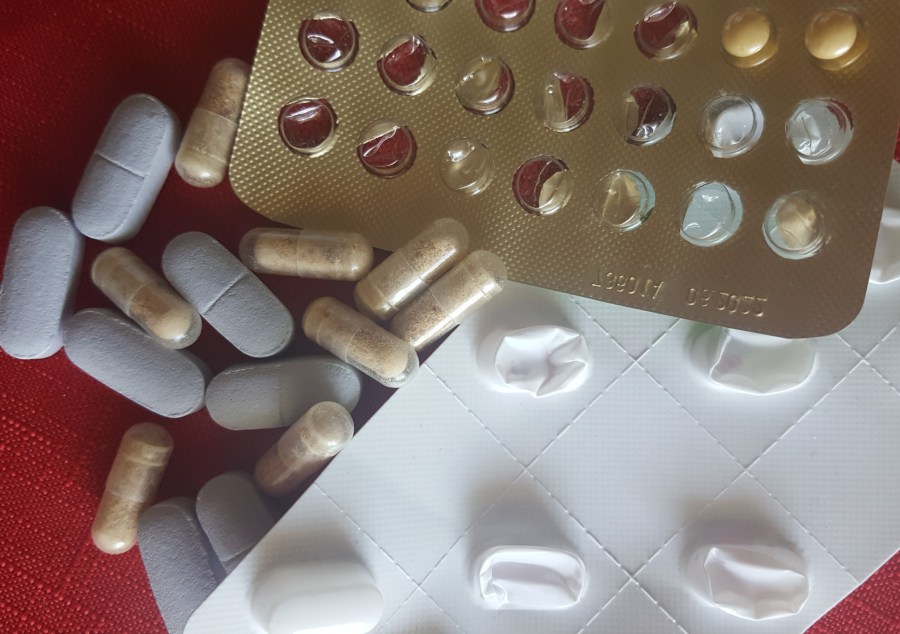
To remove the stigma around taking medication we should begin by opening up the conversation of mental illness and the treatment of that illness. The taboo around taking medication can cause many people feel that they are unable to go to the doctor for help or are unaware of the help that is available to them. It can even prevent a person from taking the medication that is prescribed to them.
For years I didn’t know I needed antidepressant medication. I didn’t even know I had PMDD (premenstrual dysphoric disorder. Think PMS but on steroids). When I finally found the courage to speak to a doctor about my symptoms I received a diagnosis. After more than 15 years of struggling through the symptoms I finally had an answer! At first I avoided buying the prescribed Zoloft by trying out naturopathic remedies. However, the nature of my disorder is too severe and pharmaceutical antidepressants are required.
I prefer to be open and honest with people about my condition and the treatment because if we don’t speak about these topics then the stigma will always remain. Women who have undiagnosed PMDD may benefit from learning that such a condition exists! People who don’t have the disorder can have a better understanding of what symptoms and side effects that patients of the disorder encounter. This is true for all illnesses that are not well understood.
To help others see that there does not need to be a stigma around taking medication I love this analogy of comparing medication to eyeglasses.
A person can live their life with blurry vision, not knowing they need glasses. Life can be difficult when living with poor eyesight and the person may struggle significantly until they find out they need glasses. Once they are prescribed a pair of glasses life is much easier and clearer.
If we consider the same for medication, it doesn’t seem so scary or taboo. We just need to put our glasses on every morning (or with meals or before bed).
If we don’t open up the conversation about mental health then nothing will change.
Please comment below with your experiences with mental health and medication. #breakthetaboo
 The Full Cup Wellness