

Content warning: Depictions of depression, suicidal ideation, anxiety and invasive thoughts.
On this day, All Hallows Eve 2018, it’s time to share with you my own personal horror story.
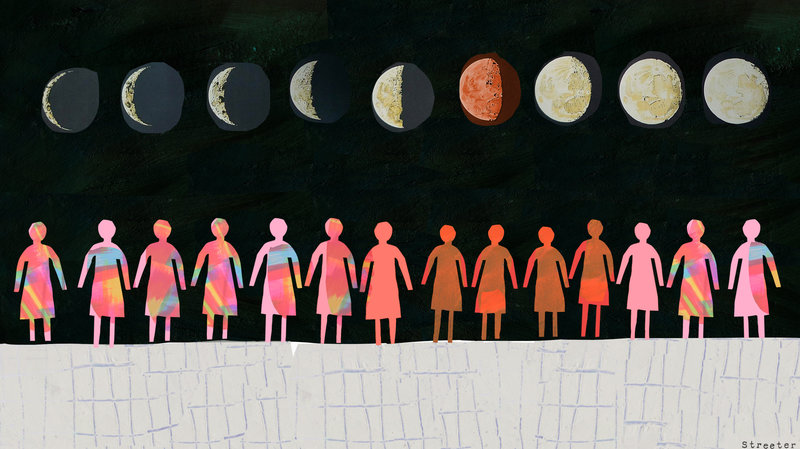
Every 28 days the affliction takes over.
It begins innocuous enough, everything is seemingly fine. Sometimes there appear to be no hints of what is to come, that is the most frightening part. The unknown.
For about 1.5 – 2 weeks every month I feel amazing. As long as I keep an eye on my mental health, everything is running smoothly.
Then, slowly unnoticeably, the change begins. The werewolf inside lurks beneath the surface, ready to take control of my rational mind.
It starts small: unexplained feelings of unease in the pit of my stomach (anxiety); unwelcome and unfamiliar thoughts invading my brain (depression).
For 7 – 10 days these symptoms rise to a crescendo and the monster breaks through, taking control. As I cower aside while the creature appears in full form all I hear from its mind into mine is:
Destroy yourself.
You’re worthless.
I believe it. And it warps all of my thoughts and impacts on every interaction between myself and others.
Eventually the pain of anxiety from deep within my gut becomes unbearable. I must make it stop. It has to stop. The physical pain and the emotional pain reach a fever pitch.
I need to make it stop.
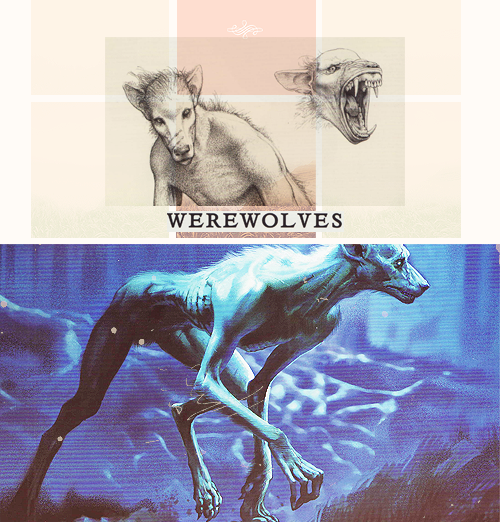
In one of my most favourite novels, Harry Potter and the Prisoner of Azkaban, we discover that the Wolfsbane Potion is used to relieve the symptoms of lycanthropy (or “werewolfism”). It is not a cure, as no cure exists for lycanthropy, only treatment is available.
I am one of the 3-8% of menstruating humans who have been diagnosed with PMDD. My menstrual cycle controls my life, my behaviour, my thoughts and my feelings.
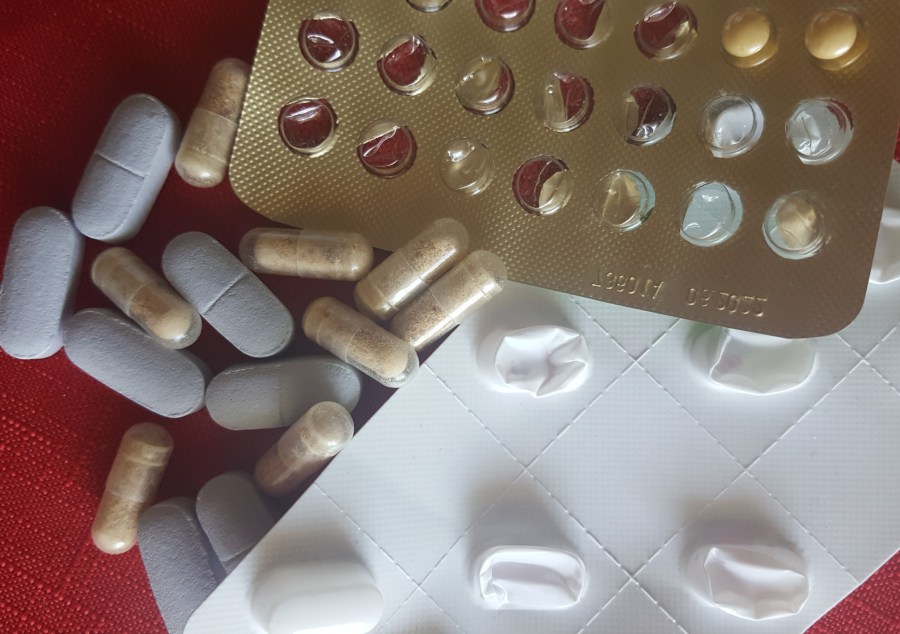
My personal Wolfsbane Potion is SSRI antidepressant medication.
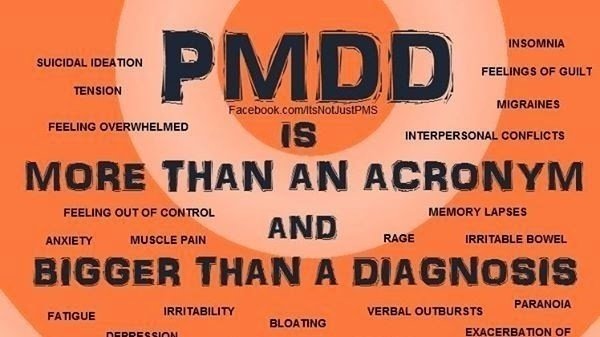
If you think you, or someone close to you, may have undiagnosed PMDD a GP can help you find the most suitable treatment available. All it takes is a conversation with your GP.
Please know that there is relief available and if you need advice please comment below or email me at fullcupwellness1@gmail.com.
 The Full Cup Wellness