Mottos, mantras and affirmations oh my! Words to live by

What’s your motto? Do you have daily mantras to keep you heading in the right direction or to keep your spirits up? How do you choose to live your life in the basic day to day context?

I’m quite partial to this one:

Do whatever you want
Just don’t hurt anyone

There is power in having the choice and confidence to live a satisfying life without regrets. Psychological and neurological studies have shown that hurting others can bring you down and make you feel sick, stressed and all around terrible. Living your best life for you and your well-being involves freedom and kindness for ultimate happiness at the end of the day.

You can make the choice to wear what you want (shiny velvet shirts or all black, it’s your choice!). Colour your hair or shave it off. Embrace your leg hair. Dance whenever you feel like it. Wave at dogs in cars.

Question why you choose to follow society’s standards. Why are you choosing to wax your eyebrows or wear makeup? Are you doing it for you because you like it or did someone tell you to do it? Have you wanted to try wearing makeup, maybe even fake tan, but society is telling you that there are restrictions around your gender? Who is controlling whether or not you apply body glitter or try out for the local badminton team? If it’s not you then who is in control of your life? And why?

What’s your life motto? Share your motto or affirmations in the comments below.

Garbage patch kids

Thanks to our beautiful ocean currents (and humans with their non-biodegradable plastic) there is a large patch of rubbish accumulating in the Pacific Ocean. The Great Pacific Garbage Patch.

How embarrassing that humans are living in squalor! If aliens were to land and see what we’ve done to our natural environment… I can just hear them saying, “My, my. Didn’t anyone tell you not to s*** where you eat?”.

Marine Debris Poster (4) AI9
By NOAA – http://marinedebris.noaa.gov/info/patch.html, Public Domain, https://commons.wikimedia.org/w/index.php?curid=6808542

The Great Pacific Garbage patch was first described in 1988 and it is the largest accumulation of ocean plastic on Earth. It has now grown to be THREE TIMES the size of France, ie. 1.6 million square kilometres. It has gradually grown and continues to grow as the currents and winds push the debris towards this part of the ocean.

Without intervention marine life will continue to suffer and perish.

All of the plastic consumed on Earth has the potential to be swept into the ocean via various routes. Instead of degrading like your usual run-of-the-mill biodegradable product, plastic breaks down into smaller pieces of plastic. Which turns out to be EVEN WORSE. The plastic situation doesn’t get better over time and action must be taken to improve this predicament.

The plastic pollution floating through the ocean habitats also spreads disease and is damaging some very delicate ecosystems. For more information on how plastic is transmitting disease through our oceans see my post here.

Without intervention marine life will continue to suffer and perish as their stomachs fill with plastic. Habitat destruction can be devastating as there are far reaching effects leading to loss of entire species as well as resources.

The key message to learn from this mistake of ours is to reduce our personal plastic consumption to decrease our impact on these delicate habitats.

We’re all in this together.

Featured image credit: By vaidehi shah from Singapore – Litter on Singapore’s ECP, CC BY 2.0, https://commons.wikimedia.org/w/index.php?curid=56641266

Self care with mud

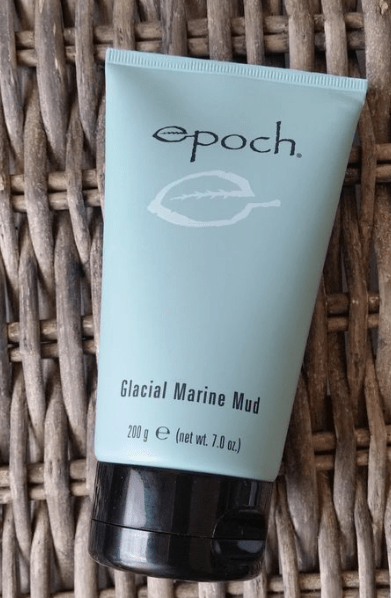
Epoch Glacial Marine Mud Mask review!

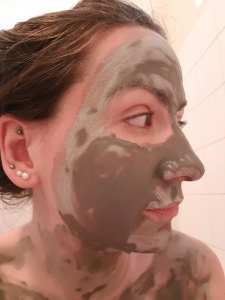
A weekly bath and mud mask is my ultimate self care routine. So last night I put my hair up and slathered on the mud.

Bathing with mud on your skin. I love it! It’s purifying, it’s cleansing, it’s relaaaaaaaxing.

43952100_1920750044677504_174177987757867008_n

As my Shrek mask dries it lightens up. Just like my mood while I’m relaxing with the Epoch Glacial Marine Mud. 😉

43952715_1920750118010830_984263589206425600_n

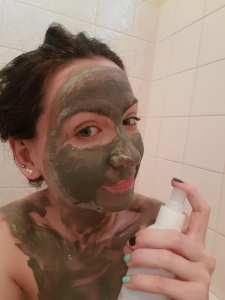
When it’s almost all dry I take advantage of the Moisture Mist spray and reactivate the mask for some extra purification of my pores.

43879905_1920750161344159_1410485367588519936_n

Damn! Check out those pores! Gotta love pores. They’re just doing their thing, sitting there, being all big and pore-like.

Back to the review.

So I sprayed the Moisture Mist liberally and soaked a bit longer, all relaxed-like.

43952003_1920750208010821_4042825833524494336_n

Then washing it off! Washing off a mud mask is easy in the bath. If you splash mud water around the bath or shower it’s less of an issue than when you do it at the sink. 😂 Or maybe I’m just really clumsy 😂

I finished my mini spa sesh with another spritz of the Moisture Mist. Then I applied my favourite face oil and I’m all done!

For orders within Australia use these links:

Epoch Glacial Marine Mud: http://nskn.co/Kh03Dj
Moisture Mist: http://nskn.co/IQO2F9

Afterpay is now available for all purchases over $70! Contact me to organise an Afterpay order, otherwise order through the links above.

For orders not within Australia email me at fullcupwellness1@gmail.com to place your order.

43878699_1920750274677481_6765696672392544256_n

Unbreakable Fire always in my heart

Good news!

I’ve just registered the domain http://www.thefullcupwellness.com so this website is officially ready to go.

Now you might be wondering why the name change?

For those of you late to the party, this blog was called Unbreakable Fire until this week.

This week I have re-branded as The Full Cup Wellness. I hope you like it!

The Full Cup is a warm and comfortable place to share the best and worst of life.

I believe that knowledge is power against ignorance, ignorance begets hate and fear.

I hope to combat ignorance and share information on stigmatised topics as well as sharing uplifting and helpful information that can contribute to total health and wellness.

Wellness from the inside, out means looking at health as a whole.

Mental health, physical health, emotional intelligence and all that’s in between.

Come with me and let’s get those cups full.

Normal, natural, biological information for all genders

Rejoice! You were born from a menstruating human. This feature of biology is so important for ALL humans of ALL genders to learn so that we can move forward to remove stigma. There is no need for taboo or fear or anger. It’s a regular human function.

the-menstraul-cup-1200x670.jpg
Menstrual cups are used to capture menses (hearts not included)

A quick Biology lesson

Celebrate the fact that the miracle of life stems from such a fascinating and totally normal process. More than half of the population will menstruate during their lifetime. It’s pretty darn cool!

Did you know, other than primates the only other animals that menstruate are bats and elephant shrews? WOW! Other placental mammals (including our pet dogs and cats) undergo oestrus cycles instead of menstruation.

Biology is incredibly fascinating and this knowledge helps us understand how we’re all alive right now. There is nothing scary or wrong with this aspect of reproduction.

Addressing the shame

“It’s crucial that women and girls learn the importance of bodily autonomy and [express] pride, not shame, in their bodies.” – Jessica Schreindl

It’s disheartening and upsetting when menstruating humans are made to feel shame regarding this normal function of life. This is especially true for transgender humans who feel the most pressure to hide any evidence of their menstruation.

Period adverse partners can make navigating periods a challenge but the best and most productive way around this is to speak to them. My partner used to have a very negative view towards periods. He grew up with only brothers! Now he has no problem with periods and took initiative to learn more about the new menstrual cup I bought earlier this year.


If you have a period adverse partner the first step you can take is to introduce conversation of periods like it’s the most normal thing in the world. With confidence and without shame. Share knowledge regarding menstruation in order to remove ignorance. After all, ignorance begets fear and hatred. Combat any fear or ignorance your partner might have towards periods and you’ll be on the right track.

Another group of people who are impacted by the shame surrounding periods is the homeless population. Homeless women and people who menstruate often do not have access to period products. It’s difficult enough to navigate the patriarchy with our periods but for the homeless, it’s near impossible. There are charities that allow us to donate sanitary products to the homeless.

Join me and let’s turn all thoughts and feelings of shame around periods to feelings of PRIDE. Walk proudly to the bathroom holding your pads and tampons. Don’t ever feel like you need to hide the existence of your period.

The way to a more constructive and productive relationship with periods for everybody begins with us breaking the stigma. Keep the conversation going by speaking about your period, your partner’s period, period products and anything that will help with the normalisation of menstruation.


Please comment if you want to know more information. Through education we can remove the ignorance which inevitably leads to prejudice.

Let’s all be PERIOD PROUD together.

Thanks for reading! Here’s a $10 voucher for Thinx period underwear: http://fbuy.me/fUGj2

Raising awareness for invisible illnesses; NEAD Non epileptic attack disorder

Content warning: Sexual assault, emotional abuse, child abuse, trauma.

There are many invisible illnesses out there that many of us have never even heard about. People you pass by daily may be suffering in silence and you wouldn’t have a clue.

Invisible illnesses should be spoken about more frequently to remove any stigma that may surround these disorders. Helping people understand and learn about invisible illnesses or disorders is especially important for the patients as, due to the nature of invisible illness, many people respond with “But you look fine to me”.

Please do not invalidate people who are opening up to you about their illness or experience by saying “But you seem fine” or “but that can’t be true”. It is more damaging to hear those words than you may realise.

Have you ever heard about Non epileptic attack disorder (NEAD) or Psychogenic non-epileptic seizures (PNES)? Me neither! Until now. Let’s absorb some knowledge.

What is it?

PNES are classified as non-epileptic because the seizures are not caused by excessive and abnormal electrical discharges in the brain, which is the case in epilepsy. This does not mean they are any less severe than any other type of seizures. ALL seizures are dangerous and require medical attention.

“Psychological stress exceeding an individual’s coping capacity often precedes PNES/NEAD. Clinicians can find differentiating between PNES/NEAD and epileptic seizures challenging.”(Differentiating between nonepileptic and epileptic seizures, Devinsky et al., 2011).

To diagnose PNES/NEAD medical professionals use video-EEG monitoring. This must be done while typical seizures can be recorded. Video-EEG is the current diagnostic gold standard for PNES/NEAD.

Treatment

Treatment of PNES/NEAD varies depending on the individual patient and can include psychotherapy and use of medications to treat coexisting anxiety or depression.

“A therapeutic technique called Eye Movement Desensitization and Reprocessing works for some people with PNES/NEAD. More research is needed to find additional ways to treat PNES/NEAD.” –Epilepsy foundation.

Why haven’t we heard of it?

Despite being statistically as common as multiple sclerosis, PNES/NEAD can be an uncomfortable condition to speak about as it carries a lot of stigma. It is the psychogenic nature of PNES/NEAD that makes it so difficult to talk about, both for patients and doctors.

Many PNES/NEAD patients are victims of trauma and mental health conditions are still stigmatised, which is why it’s so important to open up the conversation around PNES/NEAD and all forms of mental health.

Some patients of PNES/NEAD are able to identify a specific traumatic event in their life which may have led to the seizures. Treating the trauma as well as the seizures can be a very difficult and slow process. Patience and understanding is very important for healing, both on the part of the medical professional and the patient.

Here is a story from a friend who has been diagnosed with PNES.

This story contains imagery that may be disturbing to some readers.

I guess sharing my story I need to start from when I was 10.
When I was 10, I was frequently sexually assaulted by my neighbour’s son who was 13. No one believed me, but they believed him and took his word against mine. I was too scared to say anything else because one of the people who didn’t believe me was my mother.
My young mind “learned” that the assault was my fault because I was grounded for making up lies and believed I should kill myself. But I was strong enough and a knock to my front door stopped me from suicide.

I bottled this up.

At the age of 18, 8 years after my assault, I was assaulted again, this time by a friend’s step dad. I believed it was my fault that night too. From then I wanted to get help but I was scared of judgment, I was scared of laughter, I was scared because it showed the world that I want help. It showed that I wasn’t scared but embarrassed. Embarrassed of getting help.
Eventually at the age of 21, I asked for help. One good thing I thought I did until my gp said ‘I don’t believe in talking to people you should try medication instead’.
For 2 years it stuck with me. And I bottled it all up. Until I heard about Headspace at the age of 23. It was the best thing I ever did. I’m so glad that it was for free. I was finally able to talk to people about what I was going through mentally.
By the time of 25 I had to leave Headspace as it’s a mental health resource for people under the age of 25. It took me ages to find someone else. Eventually I found a great doctor. And again, thankfully it was a free service. It took me a long time to talk to him and open up about everything. A whole year to be exact. I found a new GP and he has even helped me come so far, breaking my wall down. I opened up to both of them.

Fast forward to the end of 2017.

26/12/2017.
Work found me collapsed. I went to hospital that night. The hospital didn’t know what was wrong until I had a seizure. The hospital staff responded with “Oh its pseudo seizure here talk to our mental health staff to arrange a psychologist.” When I explained to them that I have a regular psychologist they said “OK you’re good to go. I don’t know why the hospital referred you to us. You seem fine.
29/12/2017.
I was back hospital in seizing up. Seizing for hours. But I was fine according to the hospital. Its because I’m depressed, its because of my assaults, its because I’m suffering anxiety that they won’t do anything.
Present day:
I have an answer, a diagnosis, of pseudo seizures. I’m still being judged. The people around me and their responses it makes it so difficult to open up to people. It makes it harder to receive help from mental health doctors because people put it in your head that “you’re fine”, “other people are worse off” or they say “you don’t look sick”, “why don’t you work?” and “Stop faking”. The doubt and the disbelief are so damaging to people like us. It’s those words that make it hard for us to talk to people.
I’ve found out recently that my brain is fine and I should stress less. I’m not even stressed, why tell me that I am? People are willing to blame it on my past. And if I have pseudo seizures why don’t I end up in a psych ward? Or is it because I’m normal compared to the people in those wards? All I want to do is get help from someone. Someone who doesn’t charge out of this world, to see someone who can help me, so I can become normal again and live my life without fearing the worst.
Its just amazing how people treat me different when I say I have it. Including now my own family. Its heartbreaking. I just wish I was normal. I wish I didn’t have these seizures.
———————————————————–
If you think you may be suffering from PNES or would like more information on anything you have read in this post please contact us.

Plastic pollution myths busted!

There are some myths currently floating around that could be harmful to the environment so I’m here to help with some mythbusting facts.

Myth #1

If I recycle my plastic waste I’m not harming the environment.

Fact: Many types of plastic cannot be recycled. Additionally, if non-recyclable items contaminate a bunch of recyclable products all of the recyclable items will be sent to a landfill.

This is why I can’t stress enough that COFFEE CUPS SHOULD NEVER BE PLACED IN A RECYCLING BIN.

Coffee cups are in no way recyclable. If these non-recyclable products contaminate the products being sent recycling, all of that recycling goes straight to the tip.

What you can do: Reduce use of all plastics. Bring your own coffee cup on your coffee run. Use canvas tote bags for all of your shopping and produce. Stop buying plastic toothbrushes (go for bamboo). Take advantage of this code for 15% off all purchases at Sand Cloud: VICK_Y15. Sandcloud.com has a selection of glass water bottles, metal straws and environmentally friendly organic sunscreen (packaged in a tin instead of plastic). You can feel really good about saving the planet with your next session of retail therapy.

Myth #2

Plastic pollution in the ocean isn’t harming humans.

Fact: Leaching of chemicals from plastics into our waterways not only affects our water but our food too. Large pieces of plastic break down into smaller pieces called microplastics. These microplastics are mistaken as food by sea creatures and are frequently ingested. The smaller fish that consume these plastics are consumed by larger fish until it gets to the top of the food chain, you and me! Do you really want to be eating food that is potentially contaminated with harmful chemicals?

Myth #3

Ocean plastic pollution mainly originates from dumping rubbish in the ocean

Fact: Plastics from all over the land can end up in the ocean, no matter where it was dumped. Most of the plastics that are now in the ocean originated from every day items that you and I use frequently – bags, bottles, caps, food containers. If we begin limiting the use of plastic in our lives we can make an impact on the reduction of plastic in the ocean.

Share your plastic reduction tips in the comments. My latest effort in waste reduction involves the use of beeswax food wraps and reusable ziplock bags to store my lunches for work! What’s yours?

Plastic pollution spreads disease

Coral reefs are one of the ecosystems most susceptible to climate change, but their complex structure is also vulnerable to many other threats, most of these are sadly caused by humans.

It’s apparent that our plastic usage is affecting the life of coral reefs. Recent scientific research estimates 11 billion pieces of plastic contaminate our vital reefs! Plastic waste that is caught on coral reefs has shown to contribute to increased rates of disease within the coral, as stated by the study.

Plastic pollution

Plastic items such as bottle caps and toothbrushes which are commonly made of polypropylene, have been shown to become heavily inhabited by bacteria. For the research, the research group studied 159 coral reefs at the Asia-Pacific region where most global reefs are located. They inspected roughly 125,000 corals checking for tissue loss and lesions. The greater the amount of plastic that was entangled in the region’s reefs, the more disease they discovered.

circle plastic photo.jpg circle plstic bottle photo.jpg

Microorganisms often come with plastic, and the plastic adds stress to the corals as they cover daylight and reduce oxygen supply making conditions that enable certain pathogens (microorganisms that cause disease) to flourish. Such plastic waste can even cut open corals’ sensitive skin, exposing them to further infection.

gr8 star cora.jpg

A great star coral infected with black band disease
percentcontstricted.jpg

The solution

In recent studies, research on cross-species coral hybrids, inoculations with protective bacteria and even genetic engineering has been established. Researchers produce coral embryos by in vitro fertilisation (IVF), coral tissues of the infected ones are compared and its DNA can be preserved in a cold storage equipment. An increased focus on coral microbiology and application of laboratory culture techniques could serve as the string of hope and provide a lifeline for the ‘Rainforests of the Oceans’.

It’s time for a sea change

Everyone can help tackle the problem by reducing plastic usage. Science proves that small behavioural changes and collective efforts can lead to wide-scale transformations.

Poor posture: headaches and more!

Do you currently work an office job or spend a lot of time sitting in front of your desk working on your computer or doing endless paperwork?

Do you get any pain, aches or discomfort in your neck, shoulder and back? Chances are office posture could be a contributing factor and we will be covering tips on having a good posture.

What are the effects of a healthy posture?

Healthy posture habits help prevent common neck, shoulder and back problems or reduce symptoms if they are already present. They are also good to improve your mood and energy throughout the day.

Here are some tips for 3 different scenarios:

1. Sitting in front of the computer

– Keep your monitor at eye level, and place your keyboard close to your body – Sit in a chair with back support to avoid slumping

– Make sure your feet are firmly planted on the ground, or use a footstool if your feet don’t reach the ground

– If possible, use a desk that can be converted to a standing desk to lessen the strain on your spine

2. Talking on the phone

– Avoid tilting your head or holding a phone between your ear and shoulder.

-Use a headset or headphones when possible to keep your head in a neutral position.

– Use a speakerphone when able to avoid tilting your neck.

3. Texting on the phone

– Try to keep your phone screen at eye level to avoid bending your neck

– Keeping your neck relaxed and avoid shrugging your shoulders

– Use your index finger to prevent overuse of your thumb


Any other tips?

Yes! Just some general ones:

– Keep your muscles loose by taking standing or walking breaks every 30-45 minutes.

– When possible, give your eyes a rest by looking away from your computer every 20-30 minutes and focusing on distant object such as something outside your window.

These are just general office posture tips.

It is still best to see a qualified physiotherapist if you suffer from any pain, aches or discomfort so they can perform a thorough assessment to find the underlying causes and develop a treatment plan for you.

Do you have any tips you’d like to share? Tell us in the comments.

Five ways to increase your metabolism

Do you have a slow, sluggish metabolism impacting on your overall health?

Thankfully there are a few ways you can increase your metabolic rate.

Your metabolic rate is the number of calories you burn in a given amount of time, also known as calorie expenditure. The faster your metabolism, the more calories your body needs to function. So, how can we speed it up?

1. Strength train

The effect of exercise itself will increase your metabolism but if you also combine this with strength training exercises it will lead to the growth of muscle mass. The amount of muscle you have is directly associated with your metabolic rate. More muscle equals a higher resting metabolism, that is, metabolic rate when the body is at rest. Muscle loss is often associated with older age or a calorie-reduced diet. It’s important to continue promoting the growth of muscle mass so you are able to increase your resting metabolism which will significantly allow your body to burn more calories.

2. Move your body

Those very basic day to day activities such as standing up regularly, doing household chores, taking the stairs instead of the elevator or even fidgeting all count as getting your body moving! This particular boost in metabolic rate is known as non-exercise activity thermogenesis (NEAT). In severely obese individuals, NEAT can account for a considerable portion of the daily calorie expenditure. Although the recommendation of moderate intensity physical exercise is 30 minutes per day, even light activities like walking around or your household work will boost your metabolism which is going to give you an advantage in the long run.

3. Do high intensity workouts

One of the most effective forms of exercise is high-intensity interval training (also known as HIIT). HIIT is a form of interval training which incorporates short bursts of workouts at intervals of often little rest in between. The positive effects of HIIT on your metabolism remain long after the workout is complete.

Try this HIIT workout and let us know how you go!

200m sprint (run or row)

20 kettlebell swings

15 box jumps

10 push press

5 burpees

30 seconds rest

Repeat 4 times

4. Eat protein

Eating sufficient amounts of protein is essential if you want to maintain or build your muscle mass. There are also many other health benefits of eating protein in your daily food consumption. All food leads to a temporary increase in metabolic rate however, this effect is much stronger after eating protein than after eating fats or carbs. Protein actually increases metabolic rate by 20–30% verses carbs and fat which only increases it by 3–10%.

5. Drink green tea

The benefits of consuming green tea are well known. Not only does it contain antioxidants aplenty and various nutrients it also boosts metabolism quite effectively. Studies have found that the consumption of green tea is associated with weight loss, especially around the belly. There are polyphenolic compounds called catechins present in green tea which stimulate fat oxidation and boost energy expenditure. This effect is even stronger when combined with exercise.

If you don’t enjoy the taste of green tea, or want to give your body a real boost, I recommend Tegreen capsules which contain the equivalent of 6 cups of green tea in one capsule. You gain all of the beneficial properties of green tea without burning your mouth on a cup of steaming hot tea.

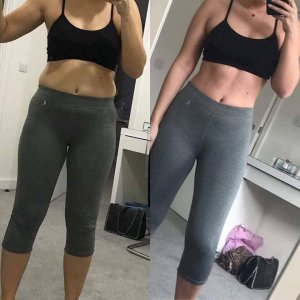
I love receiving feedback because it’s so valuable! Here are some Tegreen (plus exercise) Before and After shots.

Note that belly fat is reduced by using Tegreen in conjunction with exercise as the boost in metabolism from the tea assists with extra expenditure of calories during exercise.

Comment below or send me an email at fullcupwellness1@gmail.com to find out more information about supplementation with green tea and to place an order for Tegreen. Mention this post for 15% off all TeGreen supplement purchases.